AI Is an Amplifier
The One Idea That Changes How You Think About Every AI Decision
tl;dr
- AI does not fix foundations, it reveals them: Point AI at a broken process and it scales the breakage. The organizations winning with AI understood this before they started.
- Amplification shows up in three places: Workflows, teams, and individual professional value are all subject to the same logic: strength scales, fragility exposes.
- The gap between successful deployment and everything else is preparation, not technology: Organizations scaling results asked what they were amplifying before they committed. Organizations scaling problems skipped that step.
- Three questions that outlast the hype cycle: A durable decision filter that works regardless of what the technology landscape looks like next quarter.
Every week, business leaders make AI decisions without a stable framework for making them. Which tools to adopt. Which processes to automate. Which vendor to trust. Most of those decisions are being made reactively: chasing a competitor's announcement, responding to a vendor's pitch, or simply trying to look like an organization that is paying attention.
There is a better way to think about this. Not a checklist. Not a maturity model. One idea that, once you understand it, reframes every AI decision you will ever face.
AI amplifies whatever you point it at.
That is the whole argument. The rest of this article is what it means in practice.
The Amplifier Principle
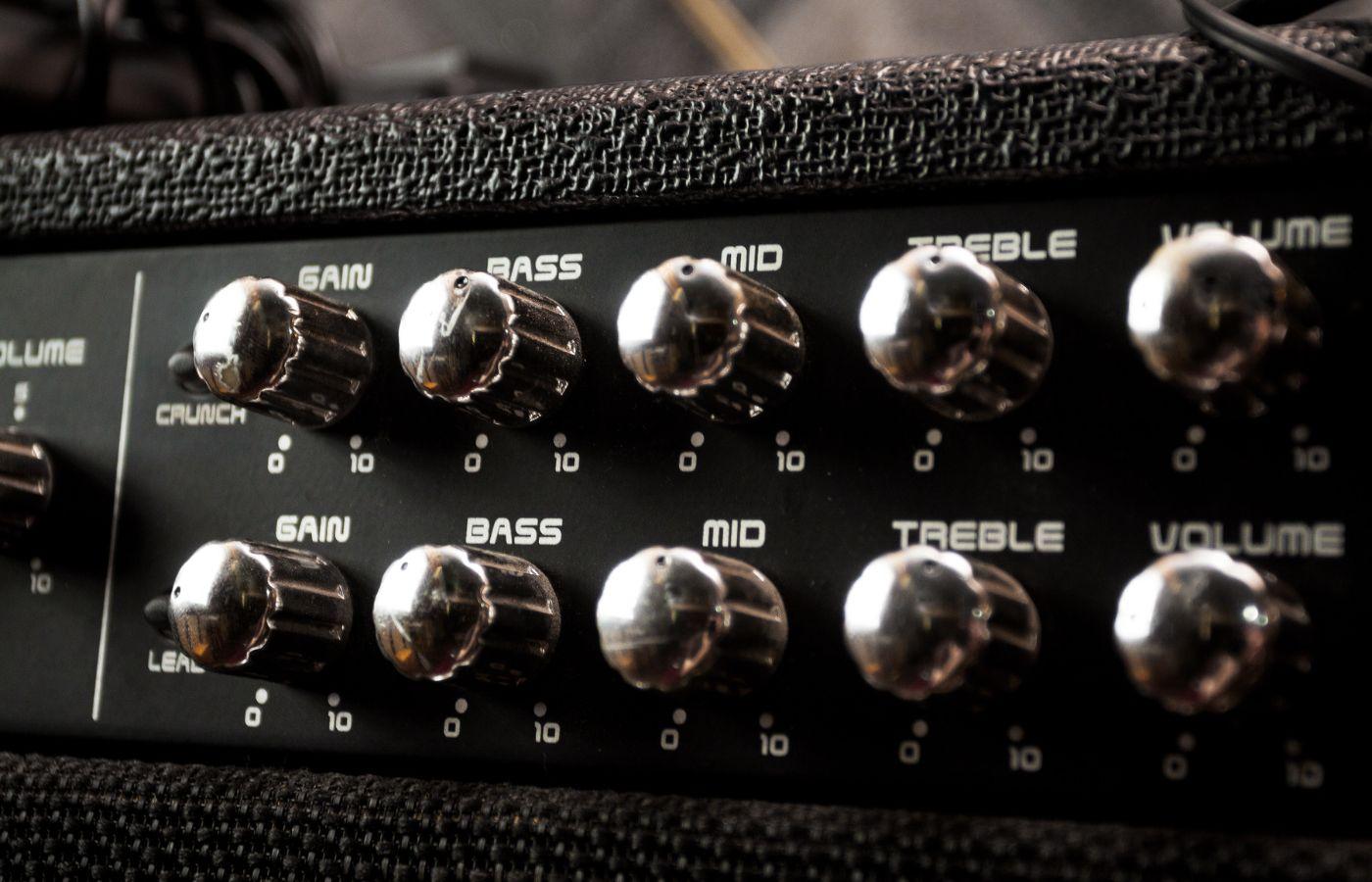
Amplifiers do not change the signal. They strengthen it. A great guitar with a great amp takes a clean sound and makes it bigger. The same amp with a poorly made, out-of-tune guitar takes noise and makes it louder. The amp itself is not the point. The signal going in is the point.
AI works exactly the same way.
Point AI at a well-designed process and it scales the results. Decisions happen faster. Quality improves. Your team focuses on higher-value work. The things that were already working start working at a level that would have been impossible without it.
Point AI at a fragile process and it scales the fragility. Errors multiply. Bad data moves faster. Workarounds that your team managed manually become bottlenecks or missed steps at volume, without anyone noticing until the damage is done.
This is not a warning about AI. It is a description of how amplifiers work. The principle is neutral.
Where Amplification Actually Shows Up
The amplifier principle plays out in three places that matter to every organization adopting AI right now.
Workflows. The most common AI implementation mistake is automating a process before you understand it, thoroughly. A workflow that looks simple from the outside (routing requests, processing documents, handling approvals) often carries years of informal logic. Exceptions your team handles instinctively. Edge cases that never made it into the written procedure. Dependencies on data that is partially reliable at best. When you automate a workflow like this, you are encoding an incomplete process and addressing those exceptions and edge cases becomes even more challenging.
The first step is to build a clear model of where work really happens before you automate it. Map the workflow as it actually runs, not as the org chart suggests it should run. Find the fragile points, the exceptions, the edge cases. Fix the ones you can and document clearly the ones that you can't. This upfront work is not a delay in your AI adoption. It is what separates an AI implementation that scales your results from one that scales your problems.
Teams. AI changes what your people spend their time on, which means it changes what skills matter. On the surface, this looks like a workforce threat. In practice, it is a workforce amplifier. People who were spending their days on low-judgment, repetitive tasks can redirect that time toward work that requires actual thinking. But this only works if those people are ready to do that work, and if the organization is structured to support it. AI handed to an underprepared team does not suddenly make the team more capable. It makes the gap more visible.
Individuals. Every person in your organization who uses AI effectively is more productive, more creative, and more valuable than they were before. Every person who uses it poorly is introducing errors at a speed and volume that was not possible before. This is the part of the amplifier principle that is most personal, and most frequently underestimated. The professionals who are thriving with AI are not the ones with the most technical knowledge. They are the ones with the clearest thinking, the most reliable judgment, and the strongest grasp of their field. AI amplifies that. Good judgment at scale is available in a way it has never been before, if you’re ready for it.
What Separates the Successes
Organizations finding success with AI share one habit: they asked what they were amplifying before they committed to anything. That question sounds simple. It almost never is. Answering it honestly requires looking at your workflows the way an outsider would. Not how they are documented, but how they actually run. It requires acknowledging which parts of your operation are genuinely solid and which parts are held together by institutional memory, workarounds, and a few people who know where the bodies are buried.
Most organizations skip this step. Not because they are reckless, but because it feels slow. There is real pressure to move quickly. Competitors are announcing AI initiatives. Vendors are promising transformational ROI. The path of least resistance is to pick a tool, point it at something, and call it a pilot.
Success comes when AI readiness is treated as a prerequisite, not a phase you complete after you have already deployed. You start by stabilizing what needs stabilizing. You identify where your data is trustworthy and where it is not. You map the real workflow before building on top of it. That preparation can feel like it’s slowing you down, until you see the results.
Three Questions to Ask Before Any AI Decision
These questions do not expire. They will work as well in two years as they do today, regardless of what the landscape looks like.
1. What, exactly, am I amplifying? Not the use case in the vendor demo. The actual process, with its actual data, as it actually runs today. If you cannot describe that clearly, you are not ready to automate it.
2. Is the foundation solid enough to scale? Solid does not mean perfect. It means stable, thoroughly understood, and reliable enough that making it faster and bigger produces more of something you want, not more of something you will have to fix. If you have doubts, name them before you automate, not after.
3. What breaks if this works exactly as intended? This is the question most teams forget. A successful AI implementation changes your workflows, your team's roles, and your dependencies. Map those second-order effects now. The organizations that get surprised by their own success are the ones that never asked what happens when the thing actually works.
Final Thoughts
The technology is not the hard part. The hard part is taking the time to know what you are pointing it at.
AI will keep improving. The tools will get faster, cheaper, and more capable. But the amplifier principle will not change. What goes in determines what comes out. That is as true for the next generation of AI as it is for the tools available today.
The organizations that will win long-term with AI are not necessarily the ones that move first. They are the ones that move with a clear picture of their own foundation, and the discipline to stabilize it before they scale it.
That is the one idea. Everything else follows from it.