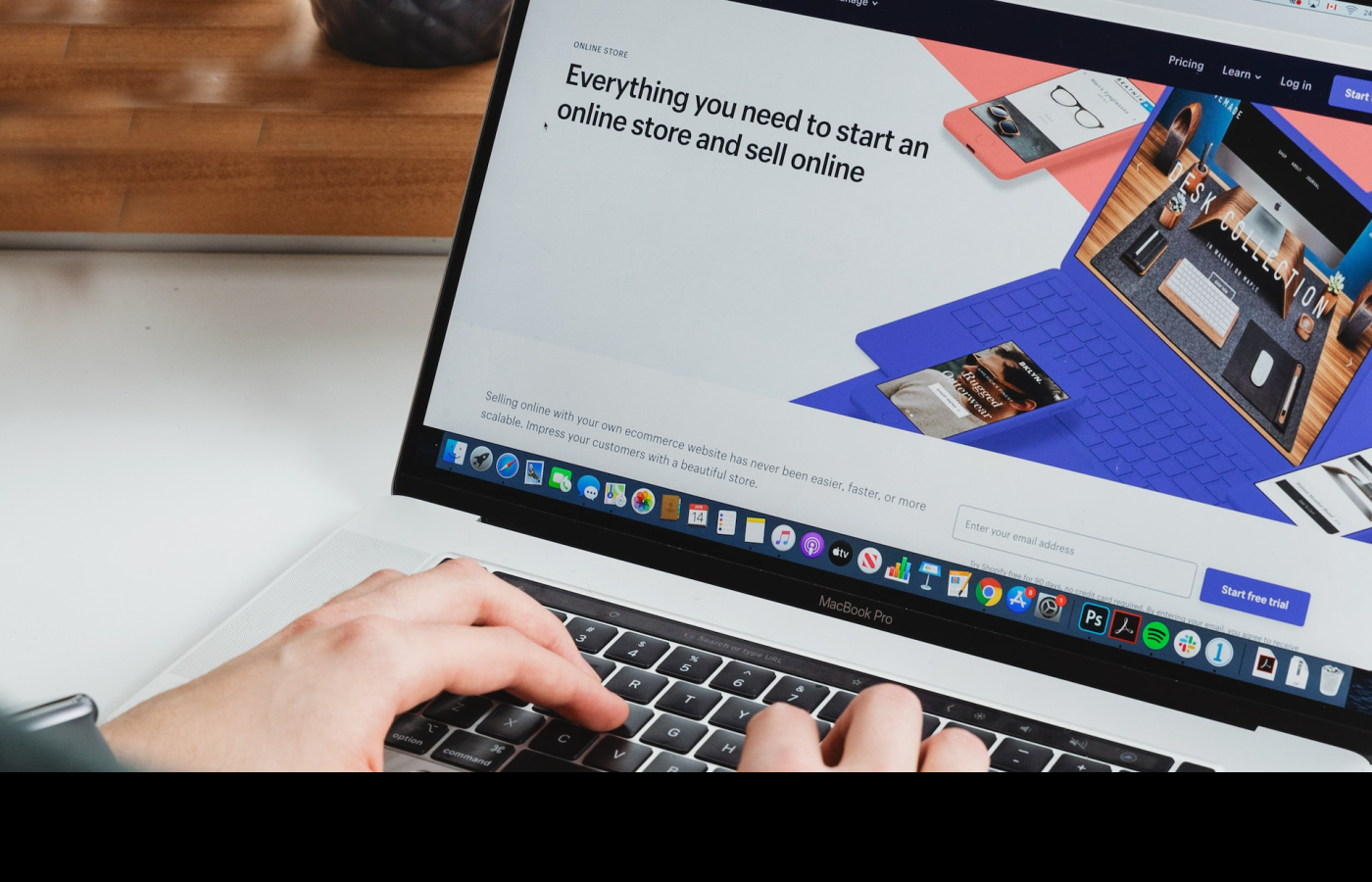
The Growing Role of E-commerce in Marketing: Trends, Challenges, and Best Practices
tl;dr
- The article explores the growing role of e-commerce in marketing, including trends, challenges, and best practices for brands.
- Personalization, mobile commerce, social media commerce, and artificial intelligence are some of the emerging trends in e-commerce marketing.
- Challenges such as competition, security, and privacy must be addressed, while prioritizing the customer experience.
- Best practices include focusing on customer experience, personalizing offers and promotions, optimizing for mobile devices, ensuring security and privacy, and leveraging social media commerce.
- By staying ahead of trends and following best practices, brands can achieve greater success in e-commerce marketing and reach their business goals.
E-commerce has become an increasingly important part of marketing in recent years. With the rise of online shopping, brands are leveraging e-commerce to reach their audience, sell their products, and improve the customer experience. In this article, we will explore the growing role of e-commerce in marketing, including trends, challenges, and best practices for brands.
Trends in E-commerce Marketing
1. Personalization
Personalization has become a major trend in e-commerce marketing, with brands using data to create more personalized experiences for customers. Brands can use data on customer behavior, preferences, and interactions to create tailored offers, promotions, and product recommendations.[3]
2. Rise of Mobile Commerce
Mobile commerce, or the ability to shop on a mobile device, has become increasingly popular in recent years. Brands need to ensure that their e-commerce platform is optimized for mobile devices, including responsive design, fast loading times, and easy navigation.
3. Social Media Commerce
Social media commerce, or the ability to sell products directly on social media platforms, has become a major trend in e-commerce marketing. Platforms like Instagram and Facebook have added new shopping features, allowing brands to sell products directly to their followers.
Artificial intelligence (AI) is expected to become increasingly important in e-commerce marketing. AI-powered tools can help brands to automate tasks, personalize content, and improve the customer experience.[2]
Challenges in E-commerce Marketing
1. Competition
With the rise of e-commerce, competition has become fierce in many industries. Brands need to differentiate themselves and stand out in a crowded marketplace to succeed.
2. Security and Privacy
As more transactions happen online, security and privacy have become major concerns for customers. Brands need to ensure that their e-commerce platform is secure and protect customer data.[4]
3. Customer Experience
The customer experience is critical in e-commerce marketing. Brands need to provide a seamless and enjoyable experience for customers, from browsing to checkout and beyond.[1]
Best Practices in E-commerce Marketing
1. Focus on the Customer Experience
The customer experience should be the top priority in e-commerce marketing. Brands need to ensure that their e-commerce platform is easy to use, fast, and provides a seamless experience for customers.
2. Personalize Offers and Promotions
Personalization is key to successful e-commerce marketing. Brands can use data on customer behavior and preferences to create tailored offers and promotions that resonate with their audience.
3. Optimize for Mobile Devices
Mobile optimization is essential in e-commerce marketing. Brands need to ensure that their e-commerce platform is optimized for mobile devices, including responsive design, fast loading times, and easy navigation.
4. Ensure Security and Privacy
Security and privacy are critical in e-commerce marketing. Brands need to ensure that their e-commerce platform is secure and protect customer data to build trust with their audience.
5. Leverage Social Media Commerce
Social media commerce can be a powerful tool in e-commerce marketing. Brands can sell products directly on social media platforms, reach a wider audience, and provide a seamless buying experience for customers.[2]
Conclusion
E-commerce has become an essential part of marketing, providing brands with new opportunities to reach their audience, sell products, and improve the customer experience. By focusing on the customer experience, personalization, mobile optimization, security and privacy, and leveraging social media commerce, brands can succeed in e-commerce marketing. However, they need to overcome challenges like competition and provide a seamless and enjoyable experience for customers. By following best practices and staying ahead of trends, brands can achieve greater success in e-commerce marketing and reach their business goals.
References:
[1] https://www.insiderintelligence.com/content/us-ecommerce-growth-jumps-more-than-30-accelerating-online-shopping-shift-by-nearly-2-years
[2] https://www.marketingweek.com/ben-davis-success-ecommerce-requires-strong-brand/
[3] https://www.shopify.com/enterprise/ecommerce-marketing-strategies
[4] https://www.businessinsider.com/how-brands-using-social-commerce-reach-more-consumers-in-feed-2020-10
Photo by Roberto Cortese on Unsplash