The Tools Change. The Mission Doesn't.
Drawn from an interview with our CEO, Kevin Howard Goldberg
tl;dr
- Consistency is the strategy: While technology cycles through generations of change, iS2's mission (understand, translate, guide, execute) has remained the foundation of every client engagement
- Accessible tools still require experienced hands: AI makes capability look easy to reach; knowing how to direct it, catch its errors, and apply it to real business problems is where expertise earns its place
- The non-technical work is often the hardest: Navigating internal resistance and budget constraints requires the same demystification skill as the technical work, translating complexity into decisions clients can act on
- Consistency creates trust: Shared language, reliable execution, and the confidence to stop worrying about whether the work is getting done: that's what long-term partnerships produce
After nearly 30 years, we've learned that the most important thing we offer clients isn't a particular technology or a specific methodology. It's a consistent approach to a problem that never goes away: technology is complex, and the people who need it most are rarely the people who understand it best. Here are the major points that stood out from our conversation with Kevin about how that approach holds up across decades of change.
A Mission That Outlasts the Tools
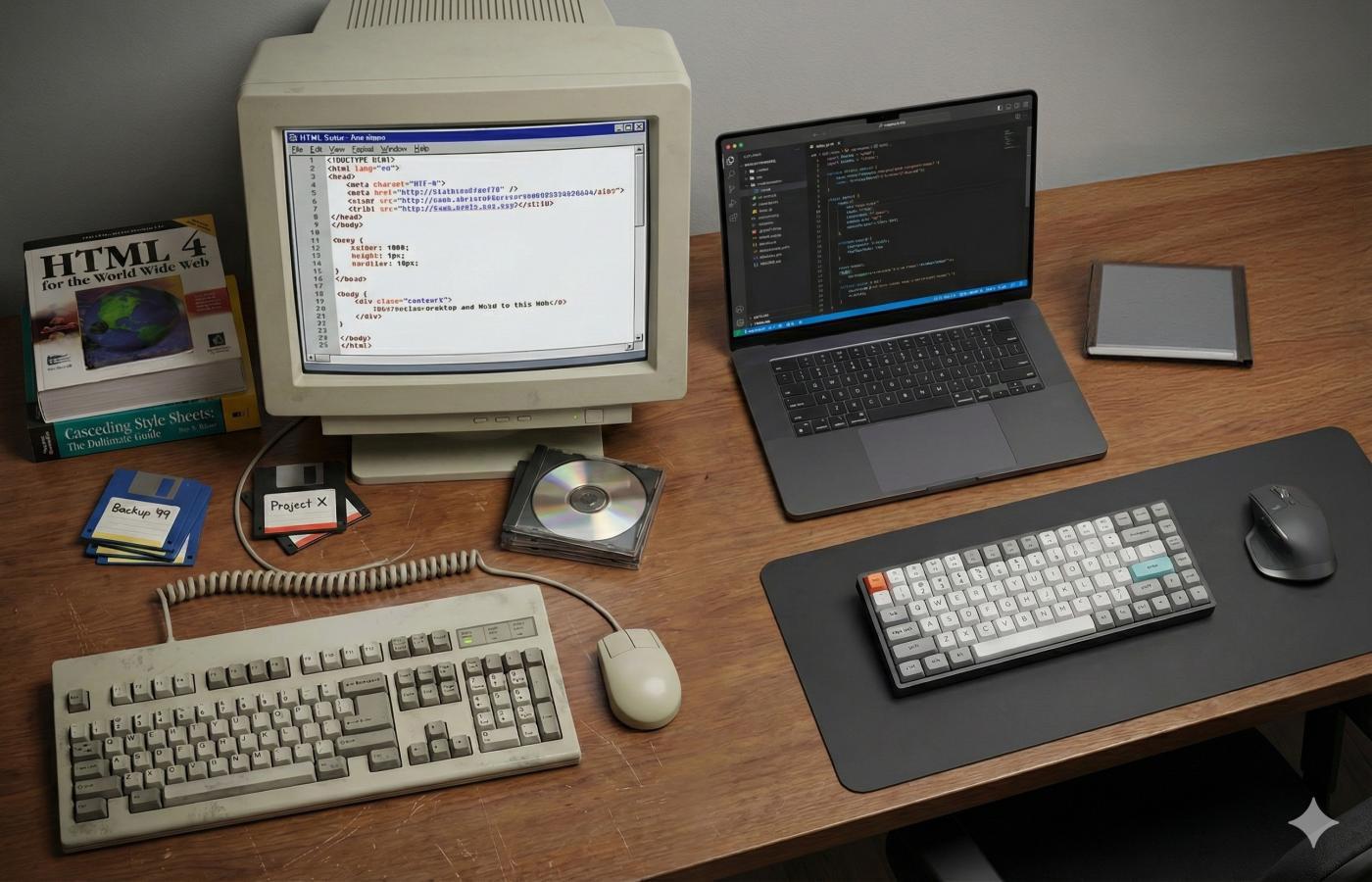
The technology landscape we work in today looks nothing like the one we started in. Frameworks come and go. Languages rise and fall out of favor. Platforms that seemed permanent became legacy systems. What hasn't changed is the fundamental gap between what technology can do and what most organizations know how to ask for.
"In the past, we described our approach as demystifying technology," explains Kevin Howard Goldberg, CEO of iS2 Digital. "And, that's still exactly what we do."
Demystifying technology means taking a client's actual need, running it through the filter of deep technical experience, offering improvement, alternate views, and executing with precision. It means understanding both sides of the conversation well enough to translate between them. That remains the same when we were building early web applications as it does today when we're integrating large language models into business workflows.
The outcomes of getting it right are tangible. A marketing department that once had to route every website update through an overloaded IT queue suddenly owns its own site. Press releases, content changes, campaign pages; all managed without a ticket or a wait. That kind of transformation isn't about which platform we chose. It's about understanding what the client actually needed and building toward that.
Where Expertise Still Earns Its Place
The tools are more powerful, more accessible, and faster than anything we've worked with before. But no version of the current AI conversation suggests that expertise is becoming less necessary. In fact, expertise is now more valued than before. Writing the scope and building the application is easier, but knowing the best option between to development paths, or seeing the problem before it occurs is where expertise is the main multiplier.
We do our own experimentation. Every member of our team runs personal projects, learns new tools, and pushes into emerging technologies. Kevin recently built a fully functional staffing site using vibe coding and agentic AI tools, in roughly 8 hours. The result was genuinely impressive. It was also built by someone who knows how to direct these tools, recognize when the output is wrong, and correct course before problems compound.
That's the gap most organizations don't account for. The same AI capabilities that accelerate development in experienced hands can introduce hallucinated content, broken logic, and cascading errors in the hands of someone less skilled. A COO or CMO shouldn't be expected to know how to catch an AI hallucination in website code. Knowing when to trust the output and when to question it, and how to structure the process so errors surface before they become costly: that's exactly where our experience still makes the difference.
Beyond the Technical Work
Not every obstacle we help clients navigate is technical. Budget constraints and internal resistance are as much a part of our work as architecture decisions, and they require the same underlying skill: making complex things clear enough that the right people can make confident decisions.
Internal resistance usually comes down to communication. A client champion understands the need and believes in the solution, but has to build the case upward. Our job in that situation is to impart a clear understanding so our client can walk into a conversation with their leadership and articulate what the solution will do, what it will cost, and what iS2 brings to the table. We're not just delivering technology. We're equipping the execution team and the solution.
Budget conversations work differently but draw on the same foundation. When a full solution exceeds what a client can spend, it is not a dead end. Together we look at the requirements and where flexibility exists. If dialing a requirement to 85% still meets the business need at half the cost, that's an option we will always present. Working through scope that way, weighing features against priorities, options against constraints, our clients can make informed decisions and build genuinely valuable.
Both situations come back to the same thing: understanding the technology well enough to offer real alternatives, and understanding the client's situation well enough to make those alternatives meaningful.
What Consistency Looks Like Over Time
The clearest evidence of whether an approach works isn't a single successful project. It's what happens when a client comes back, and then comes back again.
Long-term relationships develop a shared language. We learn the terminology of our clients' industries and use it. We teach the language of software development in return. Over time, that mutual vocabulary makes every conversation faster. What might take three meetings early in a relationship takes one. Scope documents get leaner because both sides already understand what good looks like.
Consistent delivery builds something harder to quantify but equally important. When we've delivered reliably for years, clients don't have to wonder whether the work is getting done; they know is it. And while technology projects still require client management, out clients aren't on the hook 24 / 7 job to make sure their project is on track.
Final Thoughts
Clients are better informed today than they were 30 years ago. The baseline understanding of technology has risen across every industry, and that makes our conversations richer. But we are still demystifying the newest technologies which are advancing at a historically high rate of change. Navigating the distance between what's possible and what's not keeps changing. And, after nearly 30 years, the need to bridge that distance, clearly, reliably, with deep experience; that's what works.